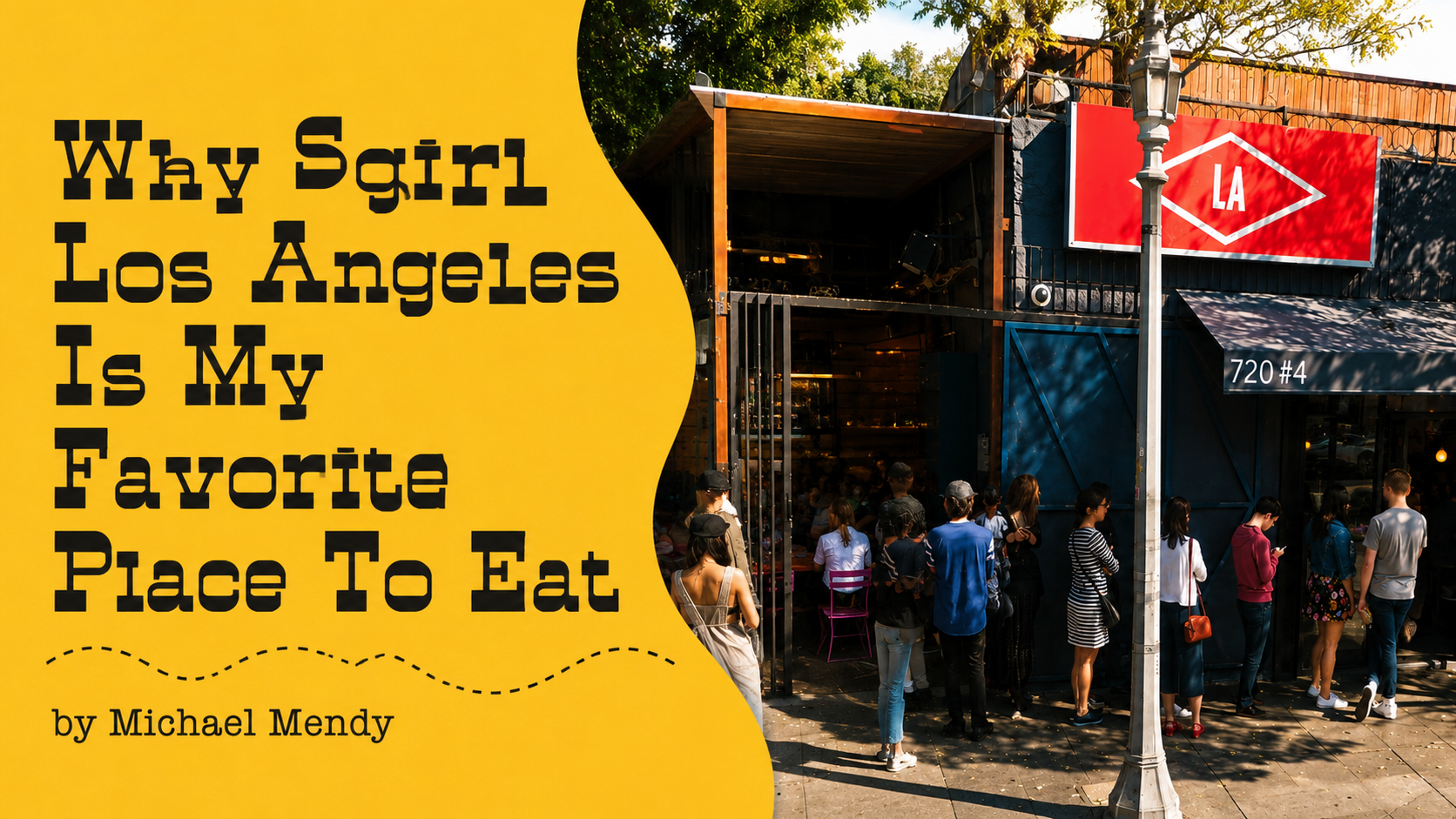
There is a stretch of sidewalk on North Virgil Avenue, right at the edge of Silver Lake and East Hollywood, where a line forms almost every single morning and just does not stop. It wraps past the parking meters, past the mural, sometimes past the corner. People stand there for a bowl of rice and a piece of toast, and they do it happily, on purpose, over and over. That restaurant is Sqirl, and it has quietly become my favorite place to eat in the entire city.
I want to explain why, because the reason isn't just the food. It's that Sqirl figured out how to turn a jam company into one of the most recognizable food brands to come out of Los Angeles in the last fifteen years, and it did it almost entirely on its own terms.
The Jam Company That Became My Favorite Restaurant
Sqirl started in 2011 as exactly what its name sounds like: a small-batch jam company, run by a chef named Jessica Koslow. She'd trained as a pastry cook, moved to LA, and got obsessed with the idea that a city with produce all year round shouldn't be limited to the same six preserves everyone grew up with. So she started making jam in small runs, selling it at farmers markets, and building a following one jar at a time.
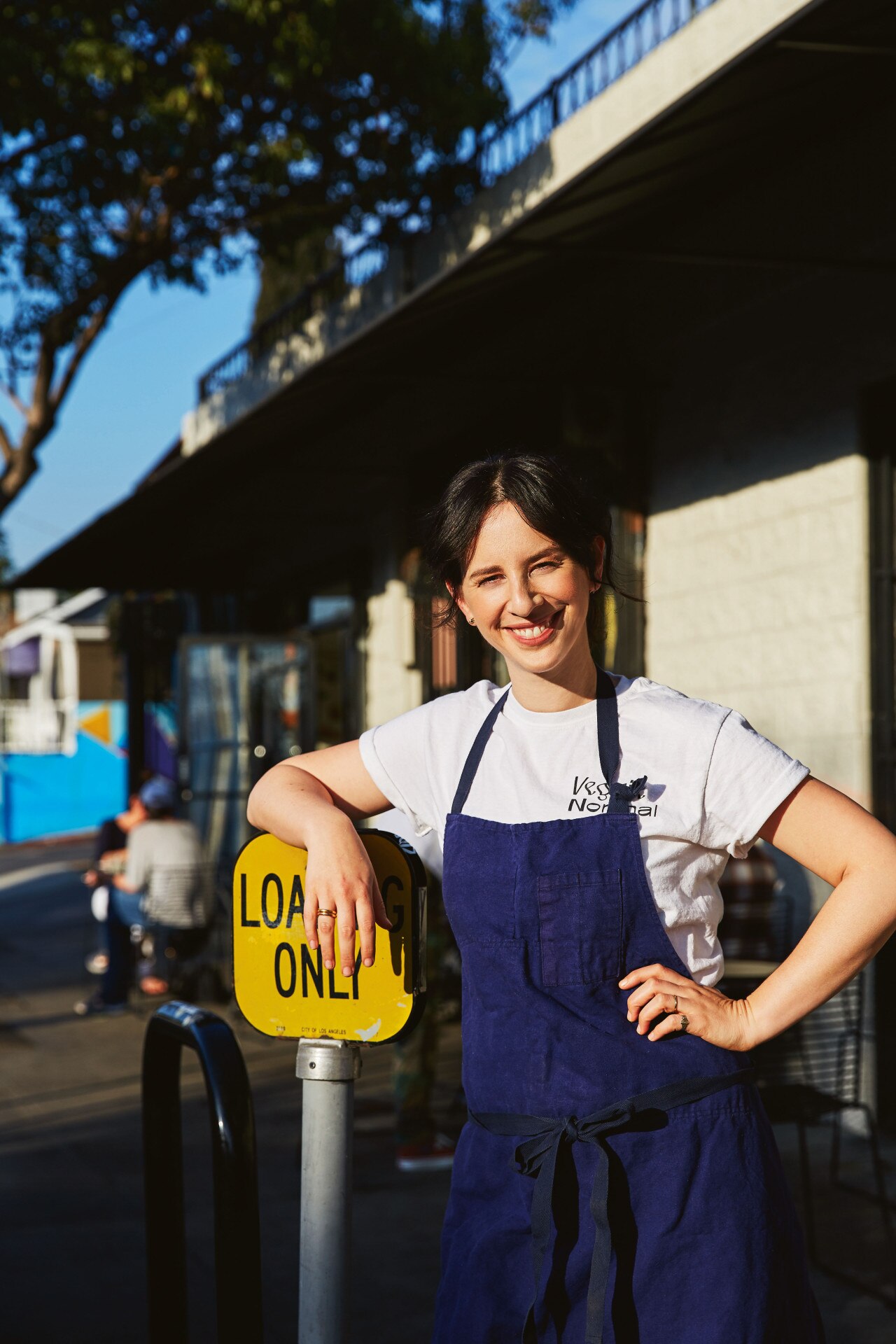
By 2012 the jam company had a tiny, roughly 800 square foot storefront at 720 N. Virgil Ave, and the storefront had a kitchen, and the kitchen started serving breakfast and lunch. That's the whole origin story. A jam label that grew a restaurant around itself, instead of the other way around. Koslow is still the chef and owner today, and the jars of jam are still sold at the counter, right next to the register, exactly where they started.
The Jams Are Still The Whole Point
It's easy to walk out of Sqirl talking about the line, or the rice bowl, or the dog on the homepage, and forget that the entire restaurant is still built on top of a jam program. The flavors rotate with whatever's actually in season instead of sticking to a fixed menu: Blenheim apricot, strawberry with rose geranium, black mission fig and red wine, blood orange and vanilla bean marmalade, boysenberry, early girl tomato jam some years, whatever the farmers market has too much of that month. Nothing about it is decorative. It's the same discipline Koslow started with at a folding table, just scaled up to feed a restaurant that now also serves dinner.
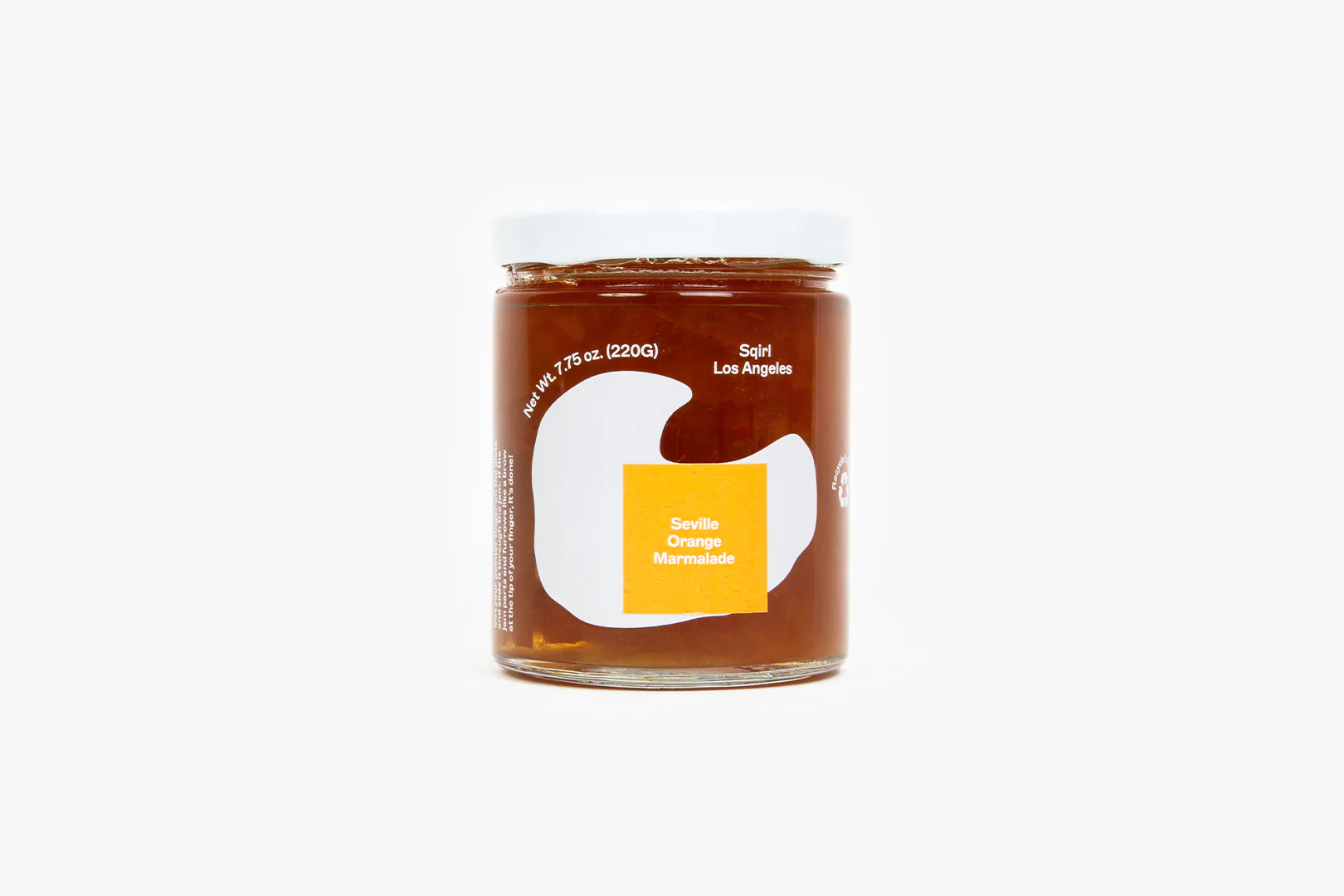
My favorite is the Seville orange marmalade, and it's not close. Most marmalade is either too bitter to eat by the spoonful or so sweetened that it stops tasting like citrus at all. Sqirl's version keeps the bitterness from the peel right up front and lets the sugar do just enough work to round it out, which is a harder balance to hit than people give marmalade credit for. I buy a jar to take home every time I'm there, and I have never once regretted it.
That little shelf of jars is basically the whole business model in one loop: whatever's ripe goes in the pot, whatever comes out of the pot goes on the toast, and whatever's left over goes home with someone like me.
What You're Actually Waiting In Line For
If you've never had it, the dish everyone means when they say "Sqirl" is the ricotta toast: a thick slab of brioche, piled with house-made ricotta, and finished with whatever seasonal jam is running that week. It sounds simple because it is simple. That's sort of the point.
The other dish that made Sqirl's name is the sorrel pesto rice bowl, built on a base of crispy, slightly caramelized brown rice, folded through with sorrel pesto and preserved lemon, topped with a poached egg, French sheep's milk feta, and a lacto-fermented hot sauce that Sqirl makes in house. It's not a dish you would have described as "breakfast" before Sqirl started making it that way. Koslow more or less invented a category, and every all-day cafe menu in Los Angeles that now serves a savory rice bowl before noon owes her a small debt.
The Line Is Not A Bug, It's The Brand
Here's the part that made me start paying attention to Sqirl as more than just a place to eat. The line out the door isn't an accident of demand outpacing an 800 square foot kitchen, even though that's part of it. It's also become the visual shorthand for the place. If you've seen a photo of Sqirl before you've ever eaten there, there's a good chance it was a photo of the line, not the food.
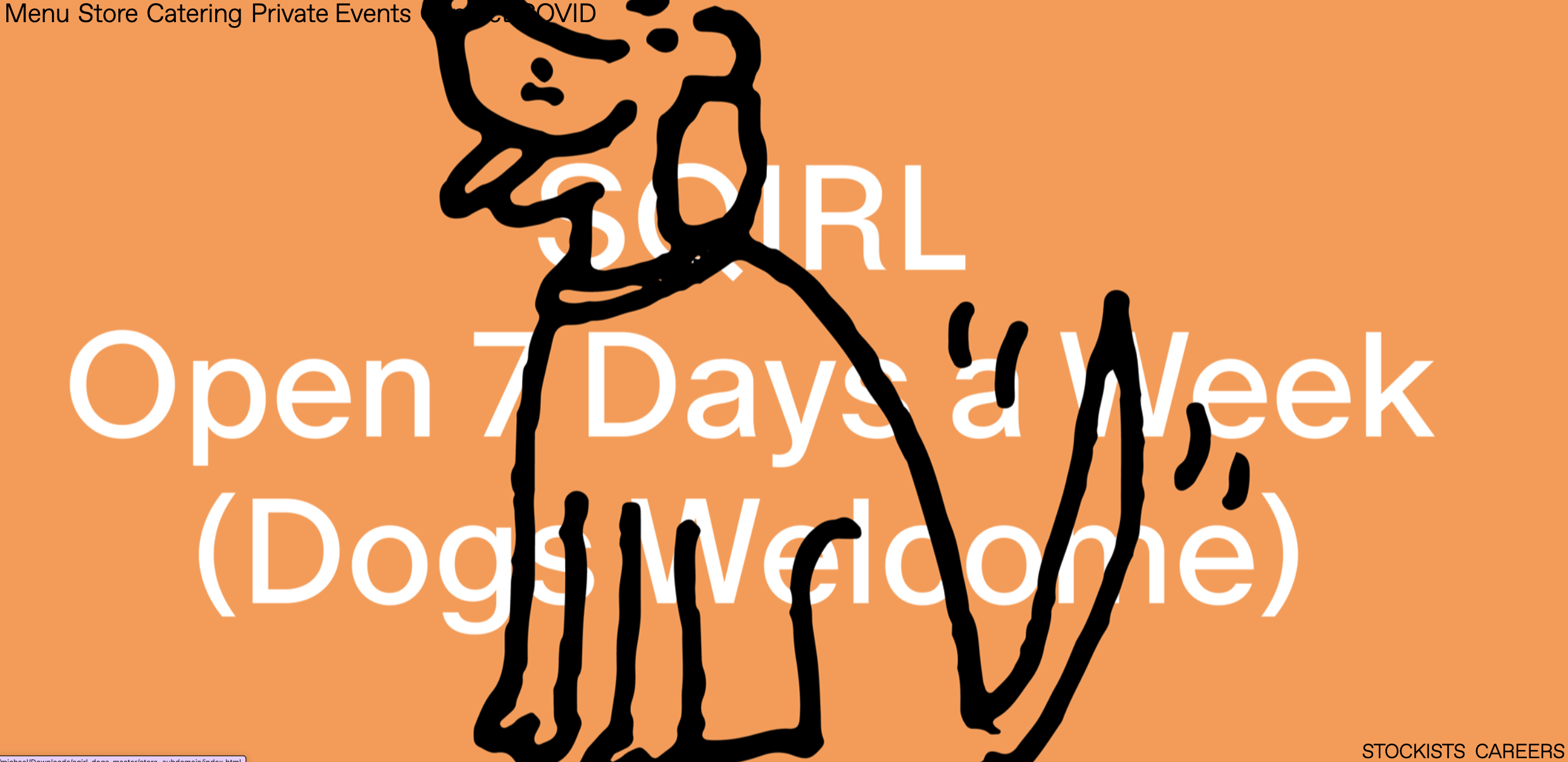
Look at the actual website and you can see the same instinct at work. That's a hand drawn dog scrawled across the hero image, right over the words "Open 7 Days a Week (Dogs Welcome)." Most restaurants at this level of press and reputation hire someone to make their homepage look expensive. Sqirl's looks like it was drawn by a friend with a Sharpie, and it works because it matches exactly how the restaurant actually feels when you're standing in that line: casual, a little chaotic, dog at your feet, in no hurry.
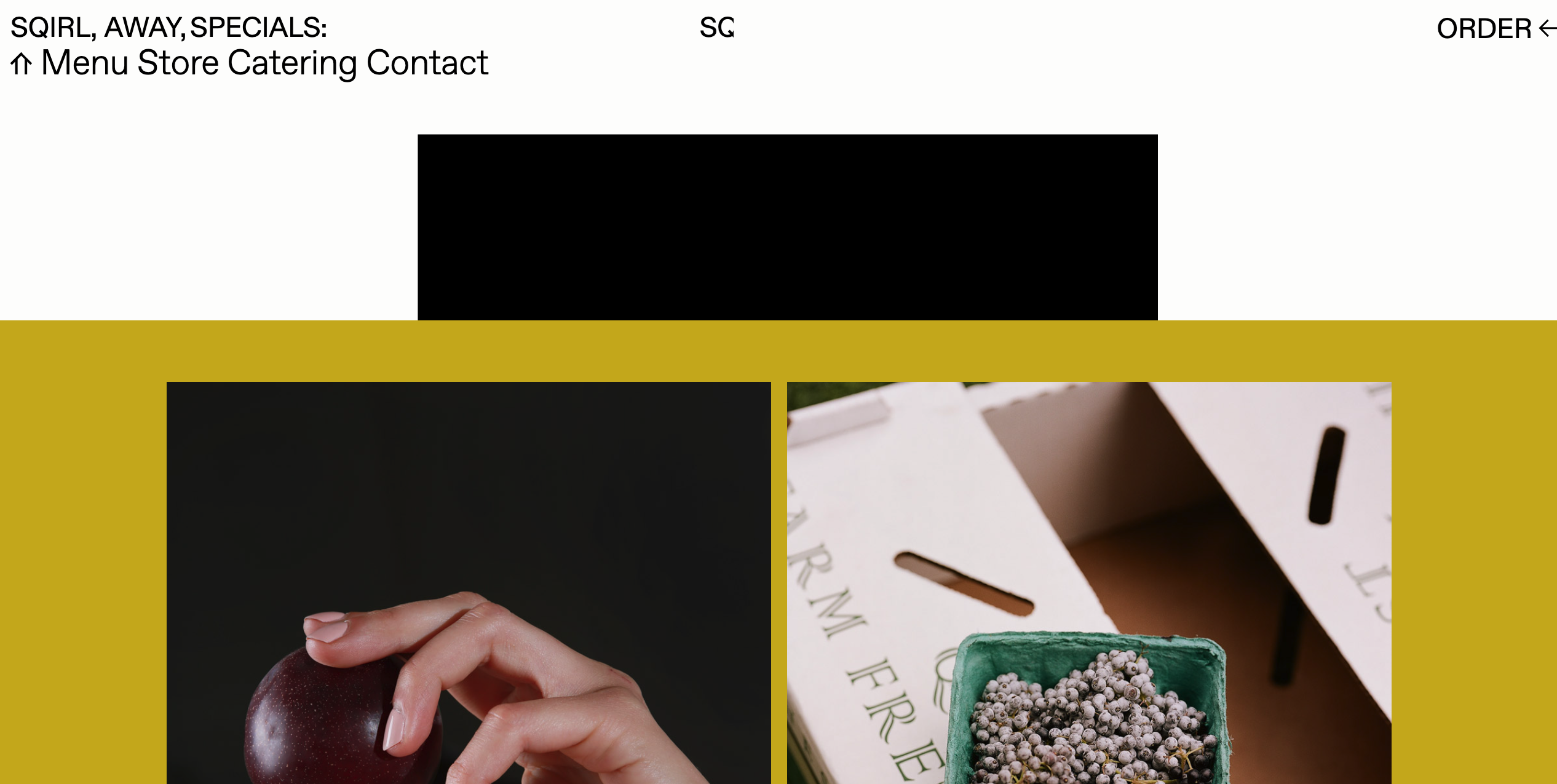
Even the ordering and specials pages lean on the same idea, real produce, real hands, nothing styled to look like it came out of a corporate test kitchen. That consistency, the same handmade, farm forward feeling from the jam label all the way to the takeout page, is what turns a restaurant into a brand people recognize without needing to see the name.
Branding That Outgrew The Kitchen
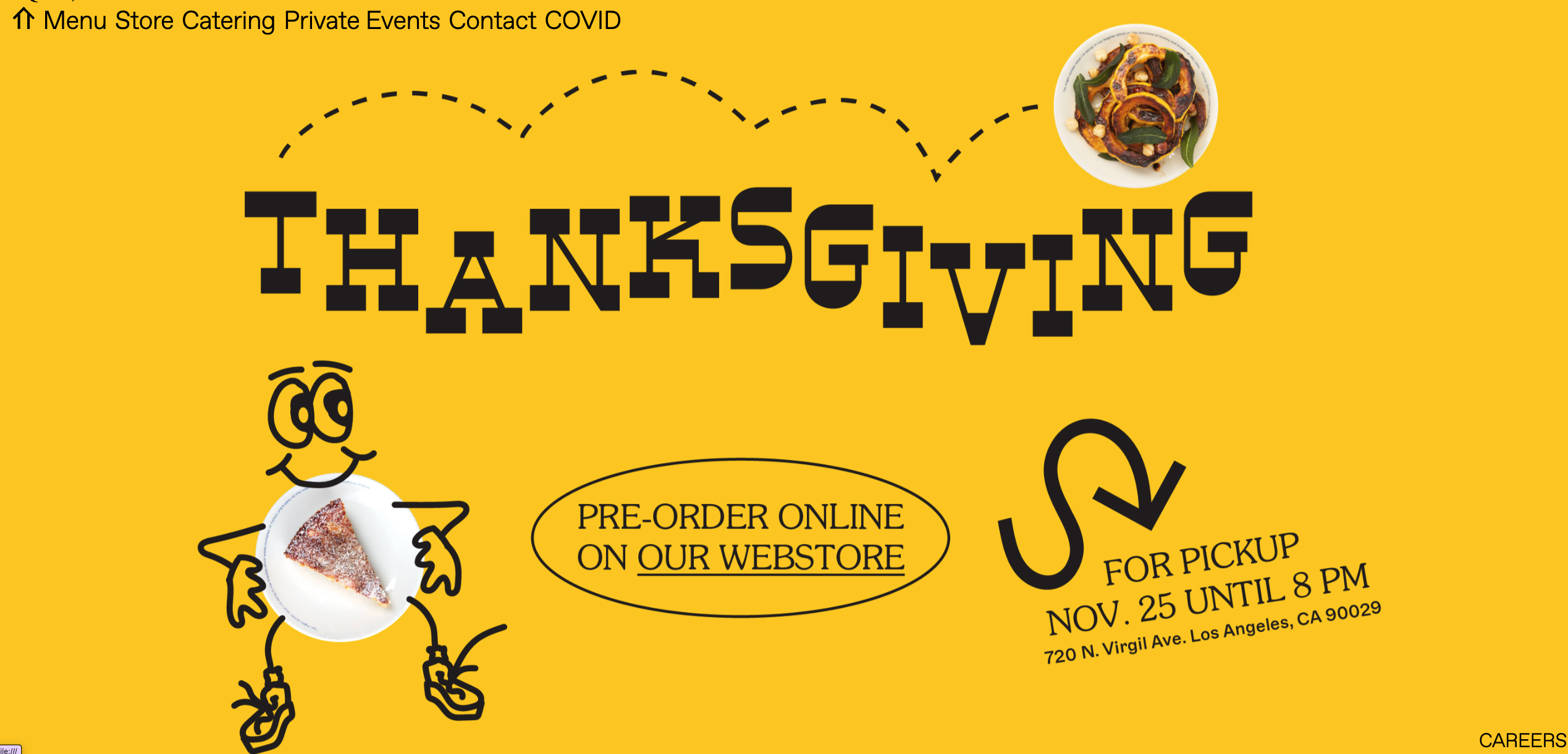
Sqirl leans into that same hand drawn, slightly goofy identity for every seasonal push, Thanksgiving pie pre-orders included, and it never looks like it's trying too hard. Koslow published a cookbook, "Everything I Want To Eat: Sqirl and the New California Cooking," turning the restaurant's whole philosophy, jam first, produce always, into something you could take home. The restaurant has picked up a James Beard nomination and Michelin Guide recognition along the way, which is a strange thing to say about a place that started as jam sold at a folding table, but that's the trajectory.
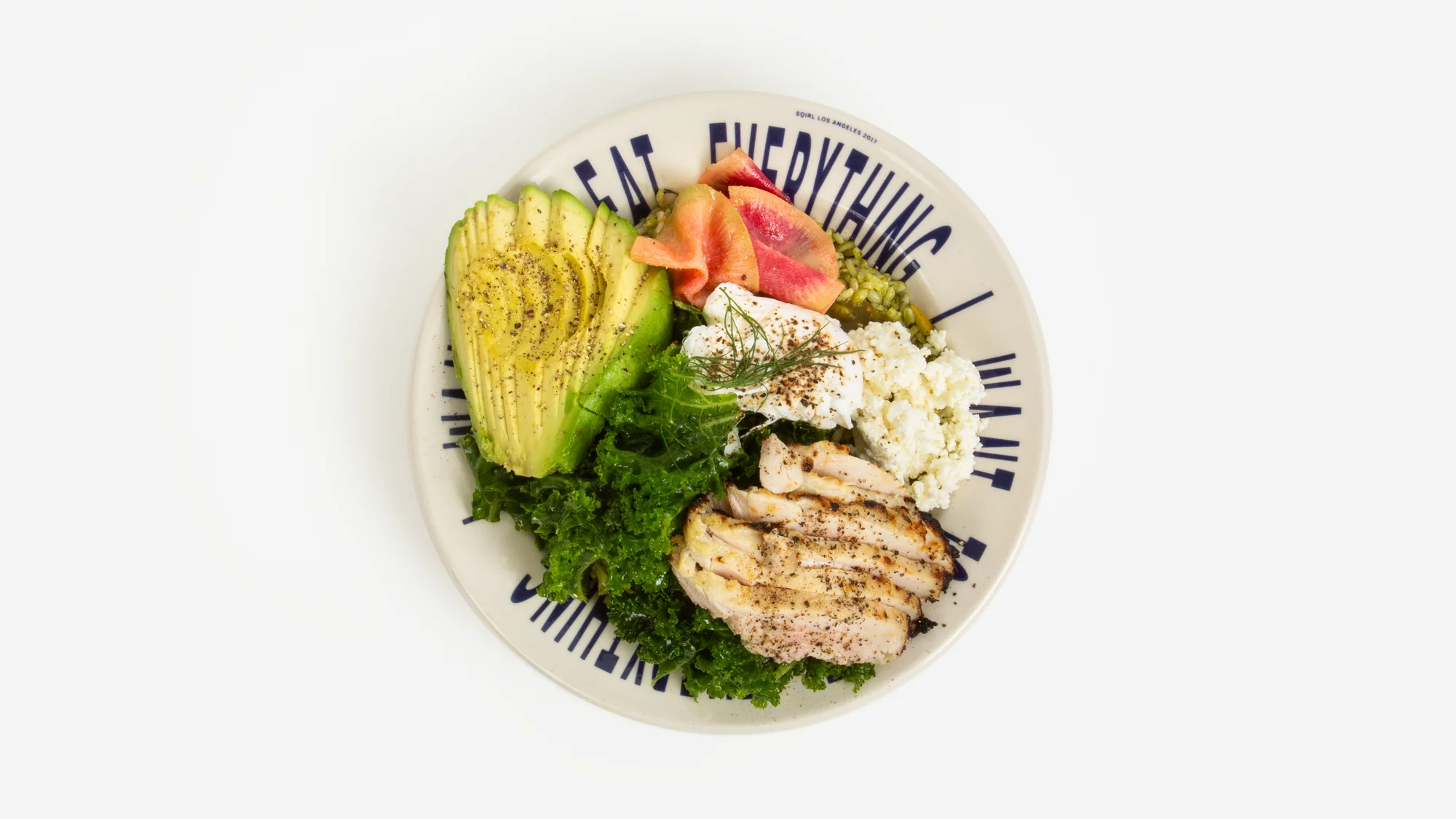
The branding even made it onto the china. Look at the rim of that plate: "Eat Everything I Want," printed right into the ceramic, in the same bold block type as the cookbook title. Most restaurants would put that line on a tote bag and call it a day. Sqirl put it under the food itself, which is exactly the kind of detail that makes a brand feel considered instead of assembled.
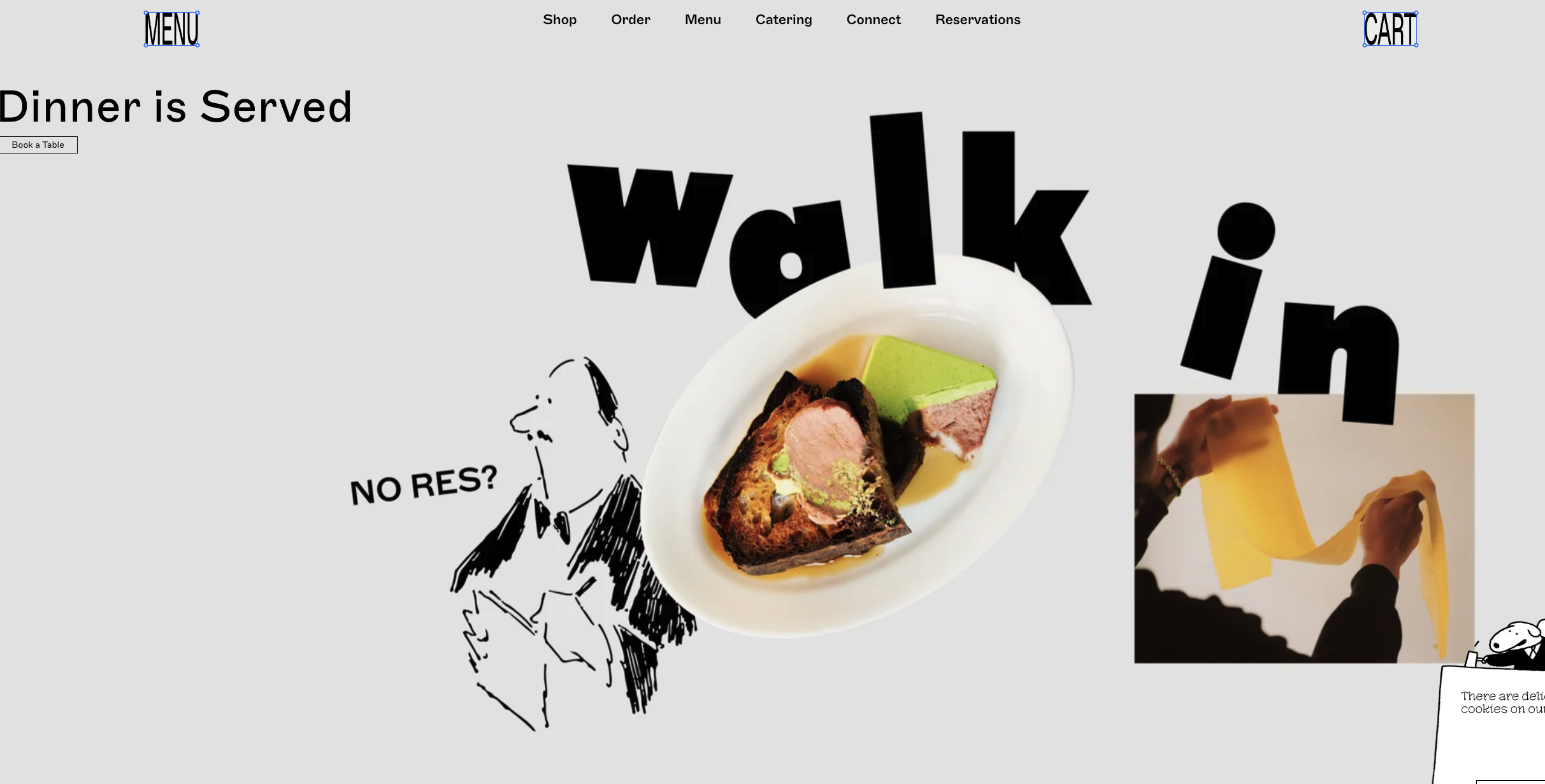
This year Sqirl did something I didn't expect from a breakfast and lunch institution: it added dinner. The new evening menu is built around bread service, crudo, a Sqirl take on Caesar salad, and mains like a pork collar and a wagyu Denver, alongside a cocktail program built the same way the jam always was, seasonal, small producer, low waste. Reservations exist for dinner now, but true to form, the site still makes room for "walk in," because turning away the line has never really been the Sqirl way of doing things.
Why I Keep Coming Back
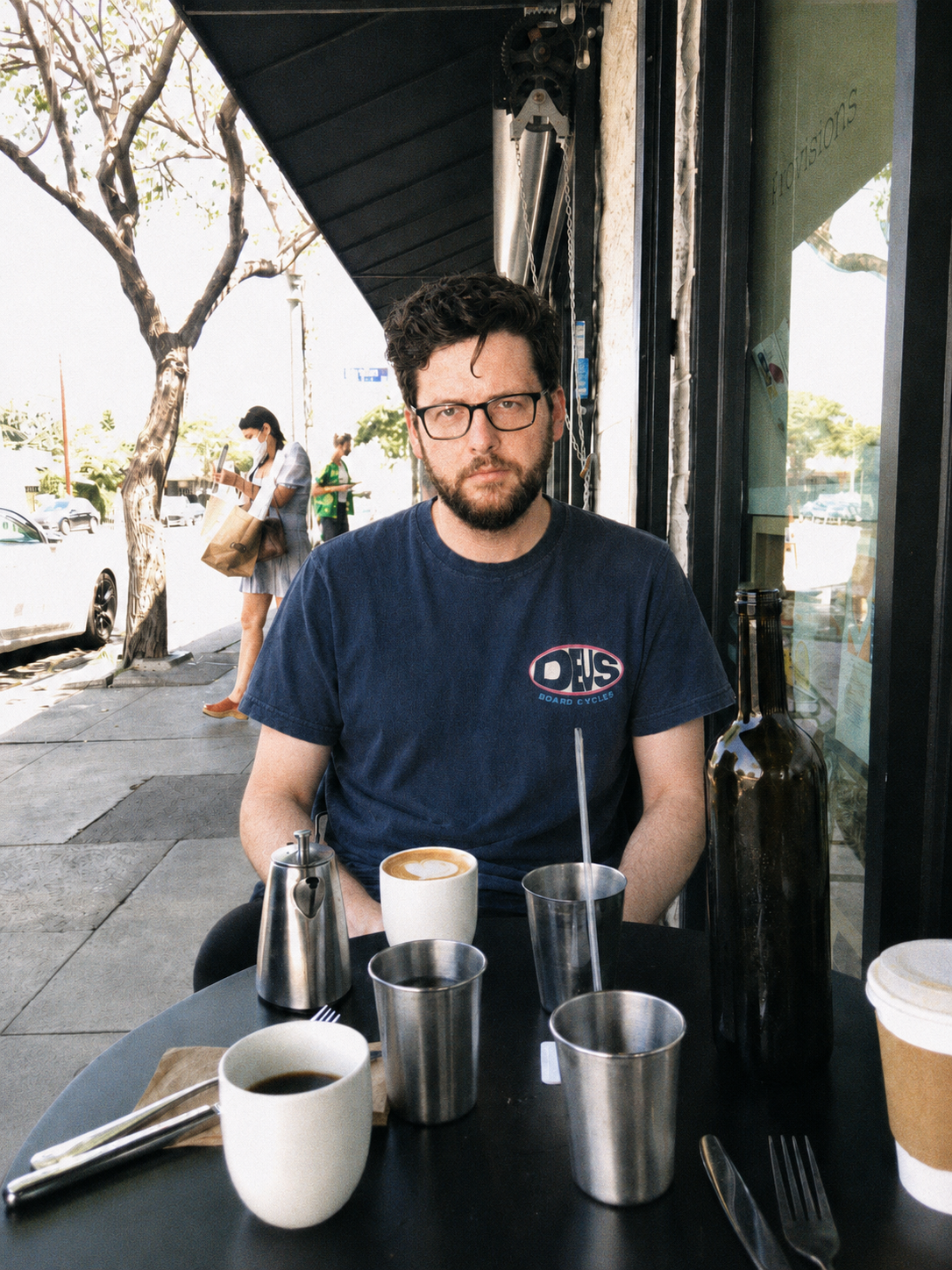
That's me at the outdoor table, mid-morning, surrounded by more cups of coffee than one person should reasonably order at once. This is what the after-the-line part actually looks like: a wobbly little table, a cortado with decent latte art, a repurposed wine bottle doing carafe duty, and absolutely no rush to give the table back.
I've eaten at plenty of restaurants in Los Angeles that are better funded, better staffed, and easier to get into on a Saturday morning. None of them have made me stand on a sidewalk for forty minutes and feel completely fine about it. Sqirl earned that patience by being consistent for over a decade: the same jam, the same rice bowl, the same hand drawn dog on the homepage, the same dogs welcome under the tables.
That's the actual lesson buried in a plate of ricotta toast. A brand doesn't need a marketing department to feel unmistakable. It just needs to actually be the same thing every single time someone shows up, whether that someone is a first time tourist with a phone camera or someone like me, back again, still in line.